
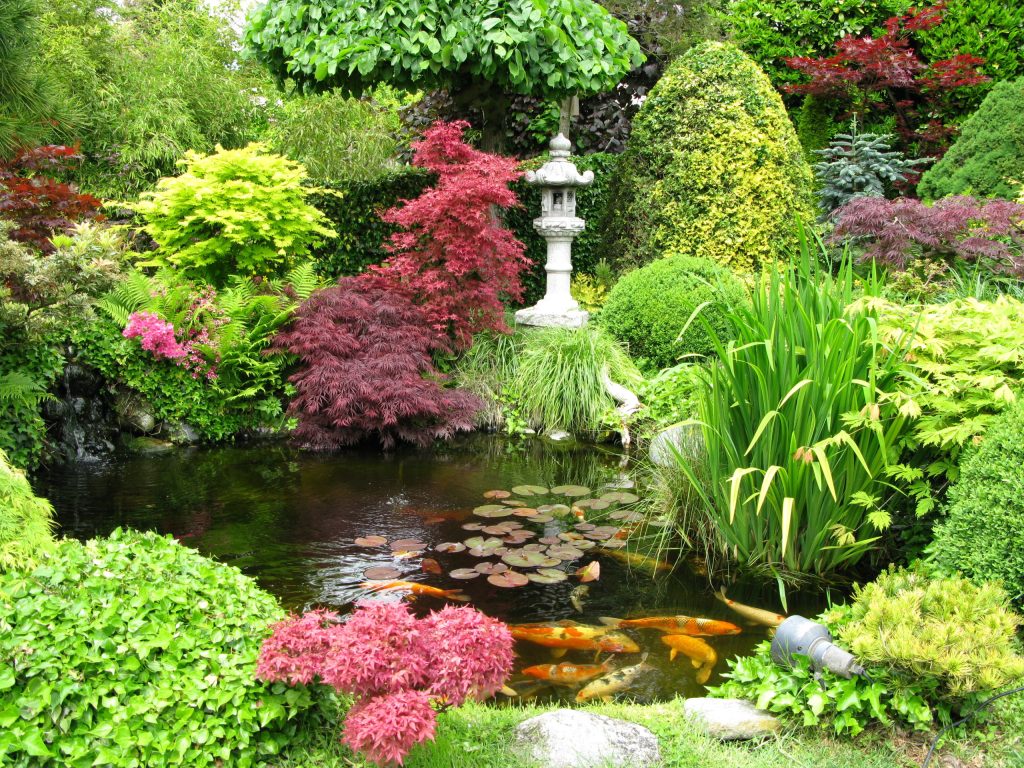
Gardening is a universal language, yet it speaks with different accents around the world. Each region has its unique horticultural practices shaped by climate, culture, and history. This post explores some of these diverse gardening traditions and innovations, offering a glimpse into the world’s varied green thumbs.
Japanese Zen Gardens
- Aesthetic and Philosophy: Japanese Zen gardens are a testament to minimalism and meditation. Using elements like rocks, gravel, moss, and sparse vegetation, they represent natural landscapes in a stylized manner.
- Techniques: Key techniques include careful placement of rocks (iwagumi), raked gravel to represent water, and pruned trees to create a sense of age and wisdom.
English Cottage Gardens
- Charm and Abundance: English cottage gardens are known for their dense plantings, vibrant colors, and romantic, informal design. They often mix vegetables, fruits, herbs, and flowers in a seemingly haphazard but charming arrangement.
- Key Elements: Typical features include traditional flowers like roses, lavender, hollyhocks, and daisies, alongside pathways, fences, and arbors.
French Potager Gardens
- Elegance and Utility: The French potager is a kitchen garden that combines functionality with aesthetics. It’s all about growing vegetables, herbs, and fruits in a way that’s both productive and beautiful.
- Design Principles: Potagers often feature geometric patterns, with plants arranged in symmetrical beds, often bordered by clipped hedges or brick pathways.
Tropical Permaculture
- Sustainability and Diversity: In tropical regions, permaculture principles guide many gardeners. This approach focuses on creating sustainable, self-sufficient ecosystems by mimicking natural processes.
- Techniques: Includes polyculture planting, effective water management, and integrating animals into the garden to create a balanced, productive environment.
Mediterranean Dry Gardening
- Adaptation to Aridity: In the dry Mediterranean climate, gardens are designed to conserve water. Plants are chosen for their drought tolerance, and techniques are used to reduce water needs.
- Practices: Key practices include mulching, using drought-resistant native plants, and designing with rocks and gravel to reflect heat and minimize water evaporation.
Native American Three Sisters Gardens
- Companion Planting: The Three Sisters method is an ancient form of companion planting used by Native American tribes. Corn, beans, and squash are planted together, each benefiting the others.
- Interdependence: The corn provides a structure for the beans to climb, the beans fix nitrogen in the soil, and the squash’s large leaves shade the ground, keeping it moist and weed-free.
Urban Gardening Innovations
- Space and Resourcefulness: In cities around the world, innovative urban gardening practices make use of limited space and resources. Rooftop gardens, vertical planting, and hydroponics are just a few methods.
- Community and Sustainability: Urban gardens often focus on community involvement and sustainable practices, bringing greenery and fresh food to dense urban areas.
These are just a few examples of the rich variety of gardening practices around the world. Each tradition offers unique insights and techniques that can inspire and inform our own gardening practices. By exploring these diverse horticultural methods, we can appreciate the universal passion for gardening and the local flavors that make each approach special. Whether you’re tending a Zen garden or a tropical permaculture plot, the love of gardening is a shared human experience, blooming in myriad forms across the globe.