
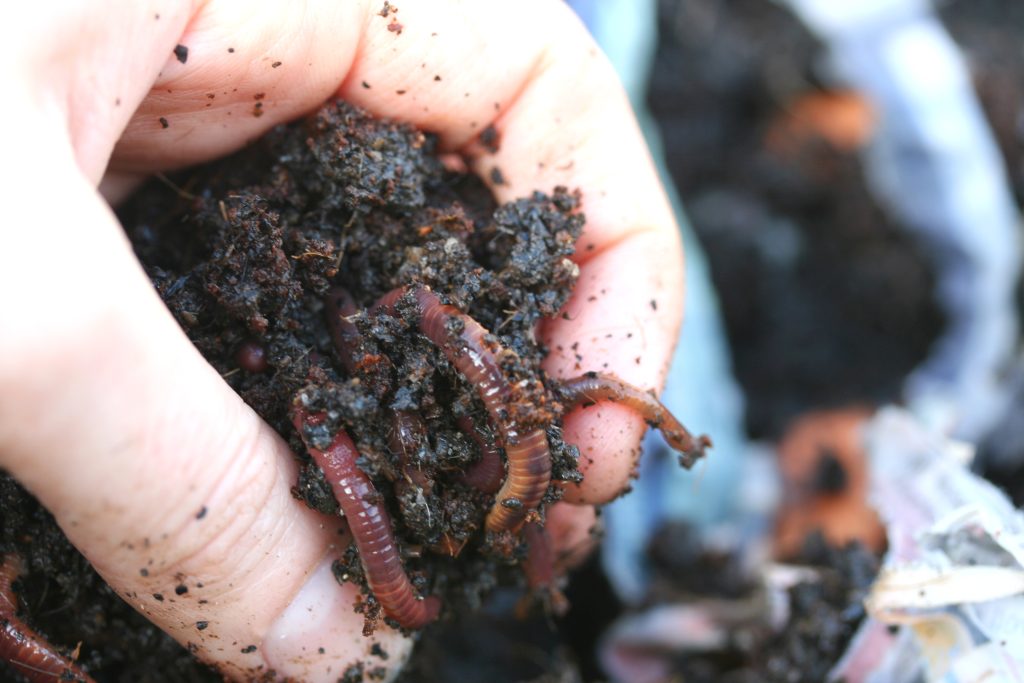
When it comes to gardening, earthworms might not be the first thing that comes to mind. However, these humble creatures play a vital role in maintaining the health and structure of soil. Often referred to as the ‘engineers of the soil,’ earthworms are crucial in enhancing soil fertility and plant growth. Let’s delve into the world of earthworms and discover why they are so important to our gardens.
Why Are Earthworms Important?
- Soil Aeration: As earthworms move through the soil, they create tunnels. This activity aerates the soil, providing much-needed oxygen for plant roots and beneficial microorganisms.
- Nutrient Recycling: Earthworms consume organic matter like leaves and dead roots, breaking them down and releasing valuable nutrients in a form that plants can easily absorb.
- Improved Soil Structure: The tunnels created by earthworms also improve drainage and prevent soil compaction, helping roots to grow more easily.
- Enhanced Microbial Activity: The digestive process of earthworms increases microbial activity in the soil, further breaking down organic matter and boosting soil fertility.
Types of Earthworms in Your Garden:
- Epigeic Worms: Live on the soil surface and are commonly found in leaf litter.
- Endogeic Worms: Live in and eat soil, creating horizontal tunnels.
- Anecic Worms: Build deep vertical burrows and come to the surface to pull down leaves and organic matter.
How to Attract and Support Earthworms in Your Garden:
- Add Organic Matter: Regularly add compost, manure, or leaf litter to your soil. Organic matter is the primary food source for earthworms.
- Minimize Soil Disturbance: Excessive tilling or digging can destroy earthworm burrows and eggs. Practice no-till or reduced-till gardening methods when possible.
- Avoid Chemicals: Pesticides and chemical fertilizers can harm earthworms. Use organic gardening practices to keep your worm population healthy and active.
- Maintain Moisture: Earthworms need a moist environment to thrive. Mulch your soil to retain moisture and provide a habitat for worms.
- Cover Crops: Planting cover crops like clover or vetch can protect and feed earthworm populations during the off-season.
The Benefits of a Thriving Earthworm Population:
- Healthier Plants: Improved soil structure and fertility lead to stronger, more resilient plants.
- Sustainable Gardening: By encouraging a natural soil ecosystem, you reduce the need for chemical inputs.
- Biodiversity: Earthworms are a key part of the soil food web, supporting a range of wildlife from birds to beneficial insects.
Earthworms are more than just fish bait or wriggly creatures underfoot; they are essential allies in the garden. By understanding and supporting these invertebrate inhabitants, gardeners can improve their soil health dramatically, leading to a more productive and vibrant garden. So next time you spot an earthworm in your garden, take a moment to appreciate the silent work they do to keep your garden thriving.