
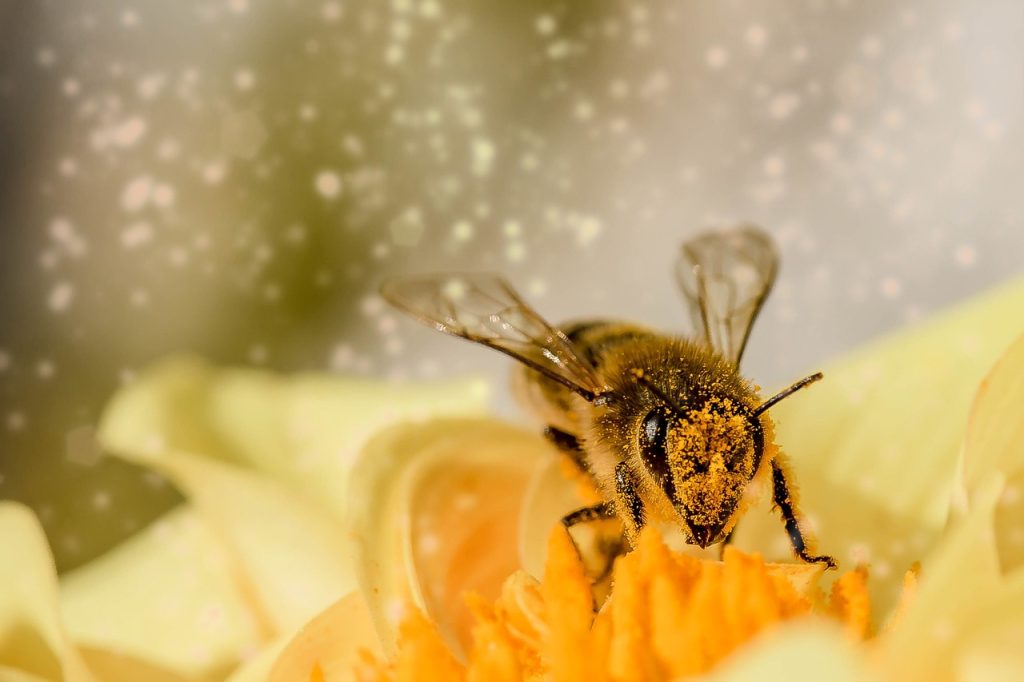
In every blooming garden, a little buzz goes a long way. Pollinators, the diligent creatures that transfer pollen from one flower to another, are crucial for the health of your plants and the productivity of your garden. From bustling bees to delicate butterflies, understanding the role of pollinators can enhance your gardening experience, no matter where you live or your level of expertise.
What Are Pollinators and Why Are They Important?
Pollinators include a variety of animals such as bees, butterflies, moths, birds, bats, and even some small mammals. These creatures visit flowers in search of food, mates, shelter, and nest-building materials. In the process, they transfer pollen from the male structures of flowers to the female structures, enabling plants to produce fruits and seeds.
Here’s why they are vital:
- Biodiversity: Pollinators support the growth of trees, flowers, and other plants, which serve as food and shelter for creatures large and small.
- Food Supply: A significant portion of the world’s crops are dependent on pollination, including many fruits, vegetables, and nuts.
- Ecological Balance: Pollinators are part of the complex web of life that maintains the health and balance of ecosystems.
Creating a Pollinator-Friendly Garden
- Plant Variety: Different pollinators are attracted to different types of flowers. Plant a diverse range of plants to provide nectar and pollen throughout the year. Consider native plants, which are often well-suited to local pollinators and growing conditions.
- Continuous Bloom: Ensure that your garden has flowering plants at all times during the growing season. This provides a constant source of food for pollinators.
- Avoid Pesticides: Pesticides can be harmful to pollinators. If you must use them, choose the least harmful option and apply them at times when pollinators are less active.
- Provide Habitats: Leave some areas of your garden untamed for wild pollinators. Consider installing bee hotels, bat boxes, or bird feeders.
- Water Sources: A shallow water source can be a welcome addition for thirsty pollinators. A birdbath with stones or a shallow dish can serve this purpose.
Understanding Pollinators in Different Zones
Gardening is a localized practice, and what works in one zone may not work in another. Here’s how you can adapt:
- Cooler Climates (Northern Zones): Focus on early spring and late flowering plants. Pollinators like bumblebees are adapted to cooler temperatures and will benefit from early bloomers.
- Warmer Climates (Southern Zones): You have a longer growing season and thus a broader range of plants to choose from. Focus on drought-resistant plants that can survive the hot summer months.
- Tropical and Subtropical Zones: These areas are rich in biodiversity. Incorporate tropical flowers and trees that support a wide range of pollinators.
Every gardener can play a part in supporting pollinators. By making mindful choices about the plants we grow and the practices we adopt, we contribute to a healthier, more vibrant world. So, the next time you see a bee, butterfly, or bird in your garden, take a moment to appreciate these guardians of the garden. They’re not just visitors; they’re vital partners in your gardening journey.