
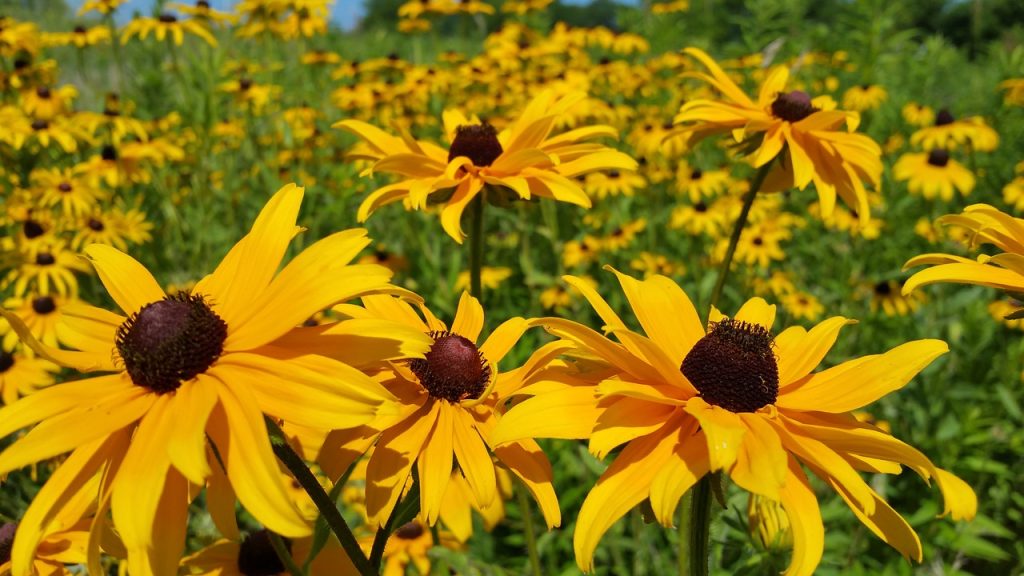
In the world of gardening and conservation, “native” refers to plants that occur naturally in a region or ecosystem without human introduction. These are the flora that have evolved over thousands of years in a specific geography, climate, and soil type. Understanding native plants and their significance is crucial for creating a garden that’s not only beautiful but also beneficial to the local environment.
What Are Native Plants?
Native plants are species that have developed, occur naturally, or existed for many years in an area. They are well adapted to the local climate, soil, and other native species, and they play a crucial role in providing habitats for a wide range of wildlife.
Why Are Native Plants Important?
- Ecosystem Balance: Native plants form the foundation of the habitat for local wildlife, including birds, bees, butterflies, and other animals. They provide food, shelter, and breeding grounds.
- Low Maintenance: Being well adapted to their environment, native plants generally require less water, fewer fertilizers, and minimal care compared to non-native species.
- Soil and Water Conservation: They help in maintaining healthy soils, reducing erosion, and keeping water bodies clean.
- Cultural Significance: Many native plants have historical or cultural significance for local communities.
How to Distinguish Native Plants in Your Area
- Consult Local Experts: Talk to your local garden center, botanists, native plant societies, or extension services who can provide insights and lists of native plants specific to your region.
- Visit Native Plant Gardens: Many areas have botanical gardens or parks that showcase native plants. Observing these can give you an idea of what grows naturally in your area.
- Use Native Plant Databases: There are numerous online resources and databases that can help identify native plants in different regions.
- Read Regional Gardening Books: Books about plants in your area can be a great resource for understanding what’s native.
- Observe Nature: Sometimes, the best way to learn about native plants is to observe what’s growing in undeveloped or protected areas around you.
Incorporating Native Plants in Your Garden
- Start Small: You don’t have to overhaul your entire garden at once. Begin by introducing a few native plants and gradually increase their presence.
- Choose the Right Plant for the Right Place: Consider the specific conditions of your garden, such as sunlight, soil type, and water availability, and choose native plants that thrive in those conditions.
- Mix It Up: A diversity of native plants will provide a range of food and habitat for wildlife. Try to include a mix of trees, shrubs, grasses, and flowers.
- Avoid Invasive Species: Be careful not to introduce plants that are known to be invasive in your area, even if they are native elsewhere.
Embracing native plants is about more than just gardening; it’s a commitment to preserving and enhancing the local ecosystem. By choosing to incorporate native plants into your garden, you’re supporting the natural heritage of your area and contributing to the health and sustainability of your local environment. As you grow your garden with these local wonders, you’ll find a new sense of connection to the natural world around you.
While the United States is vast and contains a wide range of ecosystems, resulting in a diversity of native plants specific to each area, there are some plants that are widespread and considered native across many parts of the country. Here are a few examples of such plants:
- Black-Eyed Susan (Rudbeckia hirta): Known for its bright yellow petals and dark center, it’s a common wildflower that grows in prairies, meadows, and open woods.
- Purple Coneflower (Echinacea purpurea): Recognized for its large purple or pinkish flowers, it’s a staple in many gardens and attracts butterflies and bees.
- Blue Wild Indigo (Baptisia australis): Produces striking blue flowers and is commonly found in meadows and open woods.
- Sunflower (Helianthus spp.): Iconic for its large, sunny blooms, the sunflower is native to North America and varies widely across species.
- Oak Trees (Quercus spp.): Oaks are a dominant tree in many North American forests. Species like White Oak and Red Oak are widespread.
- American Holly (Ilex opaca): A tree with distinctive red berries and glossy, prickly leaves, commonly used in holiday decorations.
- California Poppy (Eschscholzia californica): The state flower of California, this poppy is widespread in the western United States.
- Serviceberry (Amelanchier spp.): A small tree or shrub with beautiful white flowers, known for its edible berries.
- Milkweed (Asclepias spp.): Crucial for the monarch butterfly’s lifecycle and common in meadows and prairies, with several species spread across the country.
- Joe-Pye Weed (Eutrochium purpureum): Known for its tall stalks of pinkish-purple flowers and ability to attract butterflies.
- Wild Bergamot (Monarda fistulosa): A member of the mint family with distinctive lavender flowers, attracting a lot of pollinators.
These plants are widespread but may have different species or varieties depending on the specific region’s climate, soil, and other environmental factors. It’s always a good idea to consult local resources or a native plant society for the most accurate information on native plants in your particular area.