
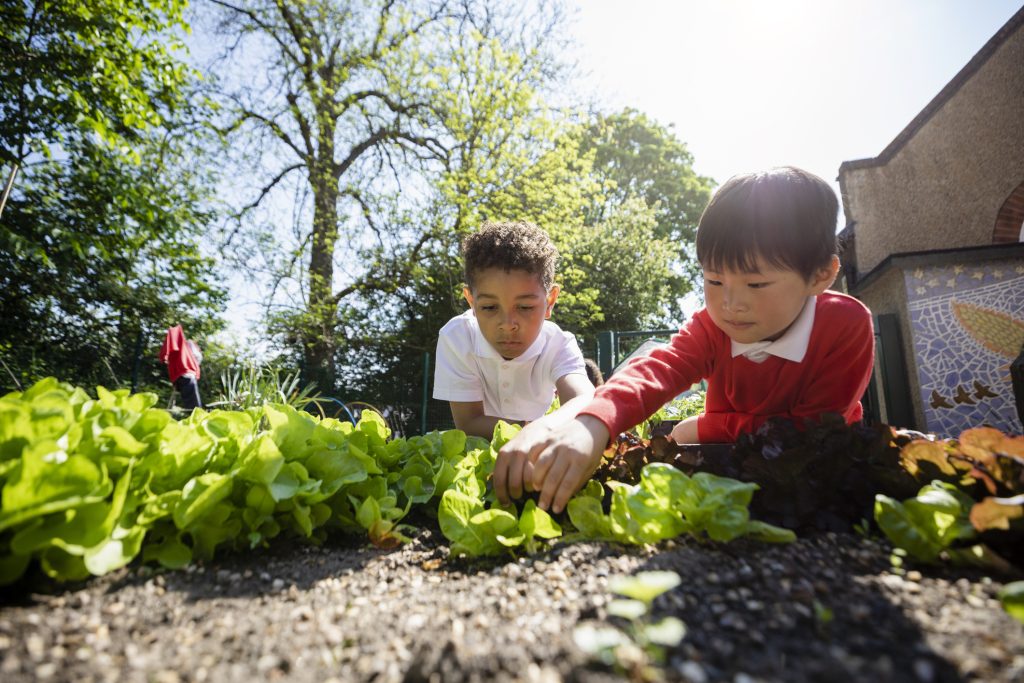
Light is a fundamental element of gardening, influencing plant health, growth, and blooming. Understanding the light requirements of different plants and how to assess your garden’s light levels can lead to a more vibrant and successful garden. This guide will illuminate the path to mastering light in your garden.
The Spectrum of Light Needs
- Full Sun: Typically, plants needing full sun require at least 6 to 8 hours of direct sunlight each day. These plants thrive under the bright, unfiltered day-long sun and include many vegetables and sun-loving flowers.
- Partial Sun / Partial Shade: These terms are often used interchangeably, though there can be subtle differences. Both indicate plants that flourish with 3 to 6 hours of sun per day, preferably in the cooler hours of the morning or late afternoon. Partial shade plants might need protection from the intense midday sun.
- Full Shade: Contrary to what some might think, full shade doesn’t mean no sun. Full shade plants prefer less than 3 hours of direct sun per day and generally enjoy filtered sunlight or dappled shade. They’re perfect for those darker areas beneath dense trees or on the north side of buildings.
Determining Your Garden’s Light Levels
- Observe the Sun: Spend a day observing how sunlight moves across your garden. Note the areas of full sun, partial shade, and full shade at different times of the day. Repeat this observation across seasons if possible, as the sun’s angle changes.
- Use a Sun Calculator: For a more precise measurement, consider using a sun calculator or light meter. These devices can measure the intensity of sunlight in a particular area, helping you make more informed decisions.
- Understand the Environment: Consider elements that affect light levels – buildings, trees, and landscape changes can all create shade or amplify light. Reflective surfaces may increase light levels, while deep overhangs on houses might reduce them.
Matching Plants to Light Levels
- Read Plant Tags and Descriptions: These often provide the necessary light conditions. If it says “full sun,” ensure you have ample light. For “partial shade,” consider areas that get morning sun but are shielded during the hottest part of the day.
- Consider Light Quality: Not all light is equal. Morning light is generally cooler, and afternoon light is more intense. Some plants prefer the gentler morning sun, while others thrive in the intensity of the afternoon.
- Adjust as Needed: If a plant isn’t thriving, consider its light needs. Sometimes, simply moving a plant a few feet can make a significant difference in its health and growth.
Tips for Optimizing Light in Your Garden
- Prune Overhanging Branches: If trees or shrubs are casting too much shade, strategic pruning can increase sunlight.
- Use Reflective Mulches: For plants needing more light, reflective mulches can help bounce additional light onto the plant.
- Rotate Pots and Containers: If you’re gardening in containers, regularly rotate them to ensure all sides of the plant receive light.
Understanding and managing light in your garden is crucial for plant health and vibrancy. By assessing your garden’s light levels and matching them with the right plants, you can create a thriving garden that bursts with life. Remember, light needs can vary between plants, so always pay attention to individual requirements and be ready to adjust. Illuminate your garden with the right light, and watch as it grows into a beautiful, thriving space. Happy gardening!